Related Articles


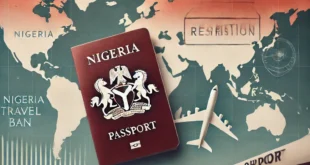
Trip check cameras are online roadway camera systems used by transportation agencies to provide real-time visual information about road, traffic, and weather conditions. These cameras allow drivers, commuters, and travelers to see what is happening on highways, mountain passes, and major roads before they begin a trip or while they are already on the road.
By offering live or frequently updated images, trip check cameras reduce uncertainty and help travelers make informed decisions about routes, timing, and safety precautions. They have become an essential travel-planning tool, especially in regions where weather conditions and traffic patterns can change quickly.
What Are Trip Check Cameras?
Trip check cameras are fixed-position traffic cameras installed along roadways and operated by state or regional transportation departments. Their primary purpose is to monitor road conditions, traffic flow, and weather-related impacts on transportation infrastructure.
Unlike surveillance cameras used for law enforcement, trip check cameras are designed for public information. They typically do not record license plates or individual drivers and instead provide wide-angle views of roads and surrounding conditions.
These cameras are often integrated into official travel information platforms under names such as TripCheck, Traffic Cameras, Road Conditions, or Highway Cameras.
How Trip Check Cameras Work
Trip check cameras use digital imaging technology connected to secure networks managed by transportation agencies. Images are captured at regular intervals, ranging from every few seconds to every several minutes, depending on the system.
The images are then transmitted to centralized servers and displayed on public websites or mobile platforms. Some systems provide near-live video feeds, while others show still images that refresh automatically.
Many cameras are paired with sensors that measure road temperature, air temperature, wind speed, and precipitation, creating a more complete picture of travel conditions.
Why Trip Check Cameras Are Important for Travelers
Trip check cameras help travelers avoid surprises. Instead of relying solely on weather forecasts or traffic reports, drivers can visually confirm actual conditions on the road.
This is particularly valuable in areas prone to sudden weather changes, such as mountain passes, coastal highways, or regions with frequent storms.
Seeing real-time conditions allows travelers to make safer decisions, such as delaying a trip, choosing an alternate route, or preparing with appropriate equipment.
Common Uses of Trip Check Cameras
Trip check cameras are used by a wide range of people for different travel needs.
Checking Road Surface Conditions
Drivers often check trip check cameras to see whether roads are dry, wet, icy, or snow-covered. Visual confirmation helps determine whether driving conditions are safe.
This is especially important during winter months, when black ice or compacted snow may not be fully reflected in written road reports.
Monitoring Traffic Congestion
Commuters use trip check cameras to identify traffic slowdowns, bottlenecks, or accidents before entering busy routes.
This allows drivers to adjust departure times or choose alternate roads, reducing stress and travel time.
Planning Long-Distance Travel
For road trips and commercial transportation, trip check cameras provide valuable insights across multiple regions. Drivers can check conditions at key points along their route rather than relying on a single forecast.
This is particularly useful for truck drivers and travelers crossing mountain passes or remote areas.
Trip Check Cameras and Weather Awareness
Weather conditions play a major role in travel safety. Trip check cameras allow travelers to see how weather is actually affecting roads, not just how it is predicted to behave.
Fog, heavy rain, snow squalls, and strong winds can drastically change driving conditions within minutes. Cameras help confirm visibility levels and precipitation intensity.
This visual data complements weather alerts and helps drivers assess real-world risk.
Where to Find Trip Check Cameras Online
Most trip check cameras are hosted on official transportation department websites. State Departments of Transportation often maintain interactive maps displaying camera locations and road conditions.
These platforms allow users to click on specific highways or regions to view camera images and related information.
Some mobile navigation apps incorporate traffic camera data indirectly, but official sources typically provide the most complete and reliable access.
Limitations of Trip Check Cameras
Despite their usefulness, trip check cameras have limitations. Images may update at intervals rather than continuously, which means sudden changes might not appear immediately.
Cameras are also fixed in location and may not show conditions between camera points or on smaller side roads.
Lighting conditions, glare, or weather can occasionally reduce image clarity, making interpretation more difficult.
Trip Check Cameras and Travel Safety
Trip check cameras contribute significantly to road safety by encouraging informed decision-making. Drivers who understand conditions in advance are less likely to encounter unexpected hazards.
Transportation agencies often recommend checking cameras before traveling during adverse weather or peak traffic periods.
Using visual information alongside official advisories improves situational awareness and reduces the likelihood of accidents.
Best Practices for Using Trip Check Cameras
To maximize the benefits of trip check cameras, travelers should check multiple camera locations along their route rather than relying on a single image.
Refreshing images periodically and combining camera data with weather forecasts and road condition reports provides a more accurate understanding.
Travelers should also remember that cameras are informational tools and do not replace safe driving judgment.
Trip Check Cameras vs Navigation Apps
Navigation apps provide estimated travel times and route guidance, but they often lack visual context. Trip check cameras show what is actually happening on the road.
Using both tools together allows travelers to understand not only where delays exist, but why they are occurring.
This combined approach leads to better decision-making and less stressful travel.
Who Benefits Most from Trip Check Cameras?
Trip check cameras are especially useful for commuters, road trip travelers, commercial drivers, emergency responders, and families traveling with children.
They are also valuable for people living in regions with frequent weather changes or mountainous terrain.
Anyone who values safety, efficiency, and preparedness can benefit from using trip check cameras.
Final Thoughts
Trip check cameras are a powerful travel-planning tool that provide real-time visual insight into road and weather conditions. By reducing uncertainty and enhancing situational awareness, they help travelers make safer and smarter decisions.
Whether you are commuting daily, planning a long road trip, or navigating challenging weather, trip check cameras offer valuable information that improves travel confidence and safety.