Related Articles


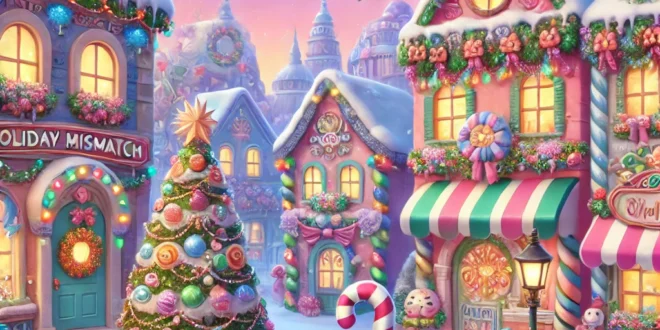
Holiday mismatch refers to a situation where expectations, schedules, cultural practices, or personal preferences around holidays do not align between individuals, families, workplaces, or even countries. This mismatch can occur in personal relationships, professional environments, travel planning, or international contexts where different calendars and traditions apply.
While holidays are often associated with joy and rest, mismatches can lead to stress, disappointment, and conflict if not understood or managed properly. Recognizing why holiday mismatches happen is the first step toward reducing their negative impact.
What Is a Holiday Mismatch?
A holiday mismatch occurs when two or more parties have different assumptions or arrangements regarding holiday timing, meaning, or availability. For example, one person may expect time off for a public holiday while another does not recognize it as a non-working day.
Holiday mismatches are common in multicultural societies, global workplaces, and families with diverse traditions. They are not inherently negative, but problems arise when expectations are not communicated clearly.
Common Types of Holiday Mismatch
Holiday mismatches can take many forms, depending on context and relationships.
Cultural and Religious Holiday Differences
Different cultures and religions observe different holidays. A holiday that is deeply significant to one group may be an ordinary day for another. This can create misunderstandings in workplaces, schools, or mixed-cultural families.
Workplace Holiday Mismatch
In professional settings, holiday mismatch often occurs when employees work across regions with different public holidays. Global teams may find that some members are working while others are on leave.
This can affect deadlines, meetings, and productivity if not planned in advance.
Family and Relationship Expectations
Within families or relationships, holiday mismatches can happen when people have different expectations about how holidays should be spent. One person may value travel and relaxation, while another prioritizes family gatherings or traditions.
Why Holiday Mismatch Happens
Holiday mismatches usually stem from differences in background, communication, or planning. In many cases, individuals assume their own holiday norms are shared by others.
Globalization, remote work, and international travel have increased the frequency of these mismatches. As people interact across borders and cultures more often, differing holiday calendars and expectations become more visible.
Impact of Holiday Mismatch
When left unaddressed, holiday mismatches can lead to frustration, stress, and reduced satisfaction. In workplaces, they may cause scheduling conflicts or feelings of unfairness. In personal relationships, they can create emotional tension.
However, the impact is not always negative. Holiday mismatches can also encourage learning, flexibility, and cultural awareness when handled with empathy.
Holiday Mismatch in Travel and Tourism
Travelers often experience holiday mismatch when visiting countries with different public holidays or seasonal peak periods. A destination may be crowded due to a local holiday that visitors were unaware of.
Conversely, travelers may arrive expecting celebrations or closures, only to find normal business operations because the holiday is not observed locally.
How to Manage Holiday Mismatch Effectively
Managing holiday mismatch begins with awareness and communication. Whether in a workplace, family, or travel context, clear discussion of schedules and expectations can prevent misunderstandings.
Open Communication
Discussing holiday plans early allows everyone involved to adjust expectations and find compromises. This is especially important in multicultural teams and blended families.
Planning and Flexibility
Using shared calendars, planning tools, and flexible arrangements helps accommodate different holiday schedules. Flexibility demonstrates respect for diverse traditions and needs.
Holiday Mismatch in a Globalized World
As global interaction increases, holiday mismatch is becoming more common rather than exceptional. Companies, institutions, and individuals are increasingly expected to navigate overlapping calendars and traditions.
Organizations that proactively acknowledge diverse holidays often foster more inclusive and harmonious environments.
Learning Opportunities from Holiday Mismatch
Holiday mismatches can serve as opportunities for cultural learning and personal growth. They encourage individuals to reflect on their own assumptions and appreciate different perspectives.
By approaching mismatches with curiosity rather than frustration, people can turn potential conflicts into meaningful exchanges.
Final Thoughts
Holiday mismatch is a natural outcome of living in a diverse, interconnected world. Whether it occurs in families, workplaces, or travel experiences, it reflects differences in culture, values, and expectations.
With open communication, thoughtful planning, and mutual respect, holiday mismatches can be managed effectively and even become opportunities to strengthen relationships and broaden understanding.